The Quiet Redrawing of the Green Belt
The Government’s latest planning reforms may sound technical, but their implications are anything but. Buried within proposed changes to planning policy is a fundamental shift in how Green Belt land is treated, particularly land located within what is described as a “reasonable walking distance” of a train station.
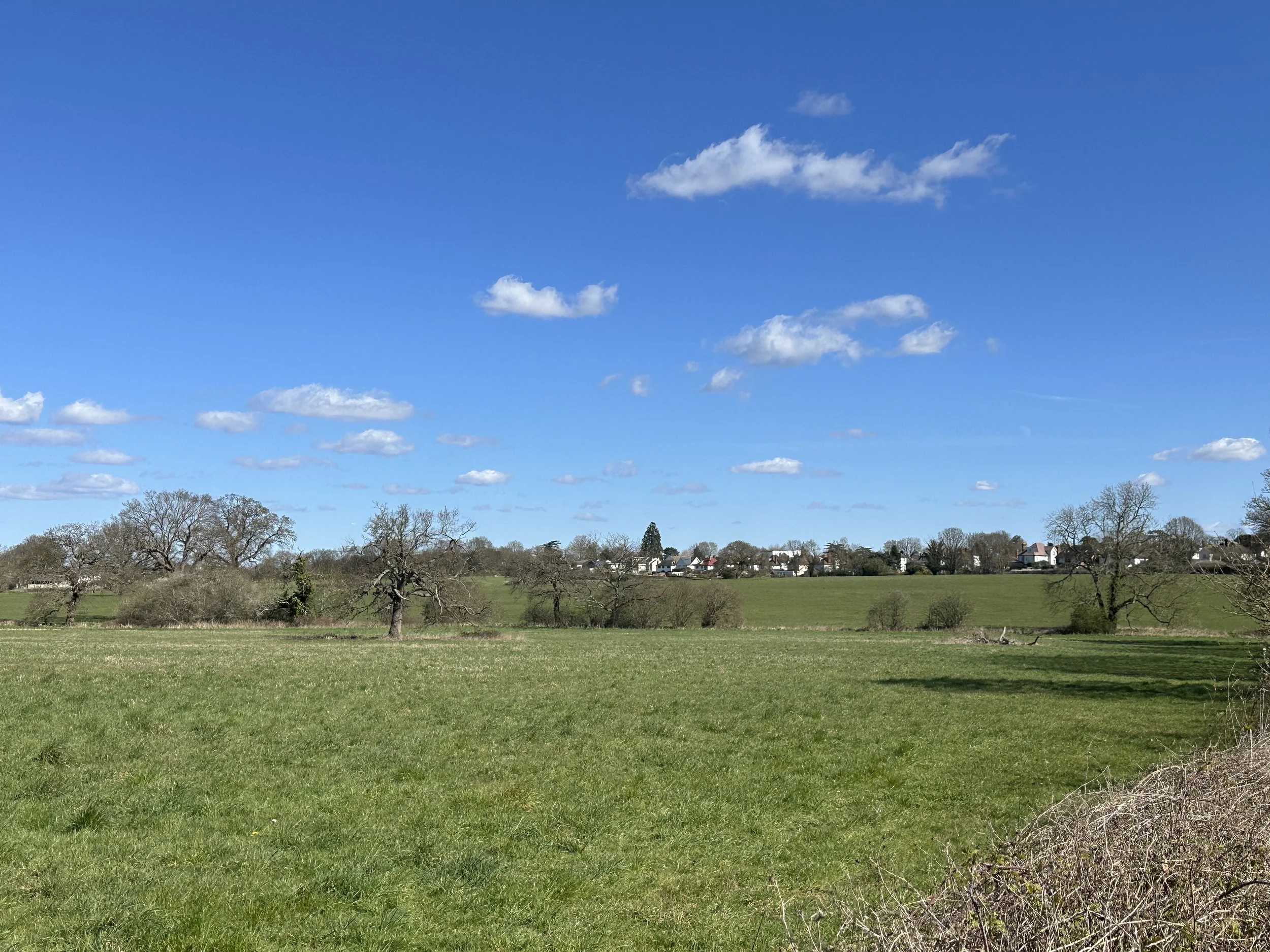
For villages like Claygate, this is not abstract policy. It is a direct threat to the green spaces that define our character, protect our environment, and separate us from unchecked urban sprawl.
A “Default Yes” to Development
The Government has made its position clear: it wants to accelerate housebuilding to meet ambitious targets. As part of this push, it has introduced a policy direction that effectively creates a “default yes” to housing development near well-connected train stations.
Critically, this approach can include Green Belt land.
In practical terms, this means that land which has been protected for decades - and has been used as agricultural land since the days of the Doomsday Book - could now be considered suitable for development simply because of its proximity to a railway station.
In a place like Claygate, even a modest interpretation of “walking distance” could cover a significant proportion of the surrounding countryside.
From Protection to Presumption
Historically, Green Belt land has been safeguarded under a strong presumption against development. Building on it required “very special circumstances” and clear justification. That principle is now being quietly eroded.
The new framework shifts the balance from protection to presumption. Instead of asking “should we build here?”, the system increasingly asks “why not?”
Proximity to transport is being treated as a key measure of sustainability, which in practice can override traditional Green Belt protections.
What This Means for Claygate
- Claygate is exactly the kind of location this policy targets:
- A desirable village within commuting distance of London
- Served by a railway station
- Surrounded by Green Belt land
Under this new approach, these are no longer reasons for protection. They are reasons for development.
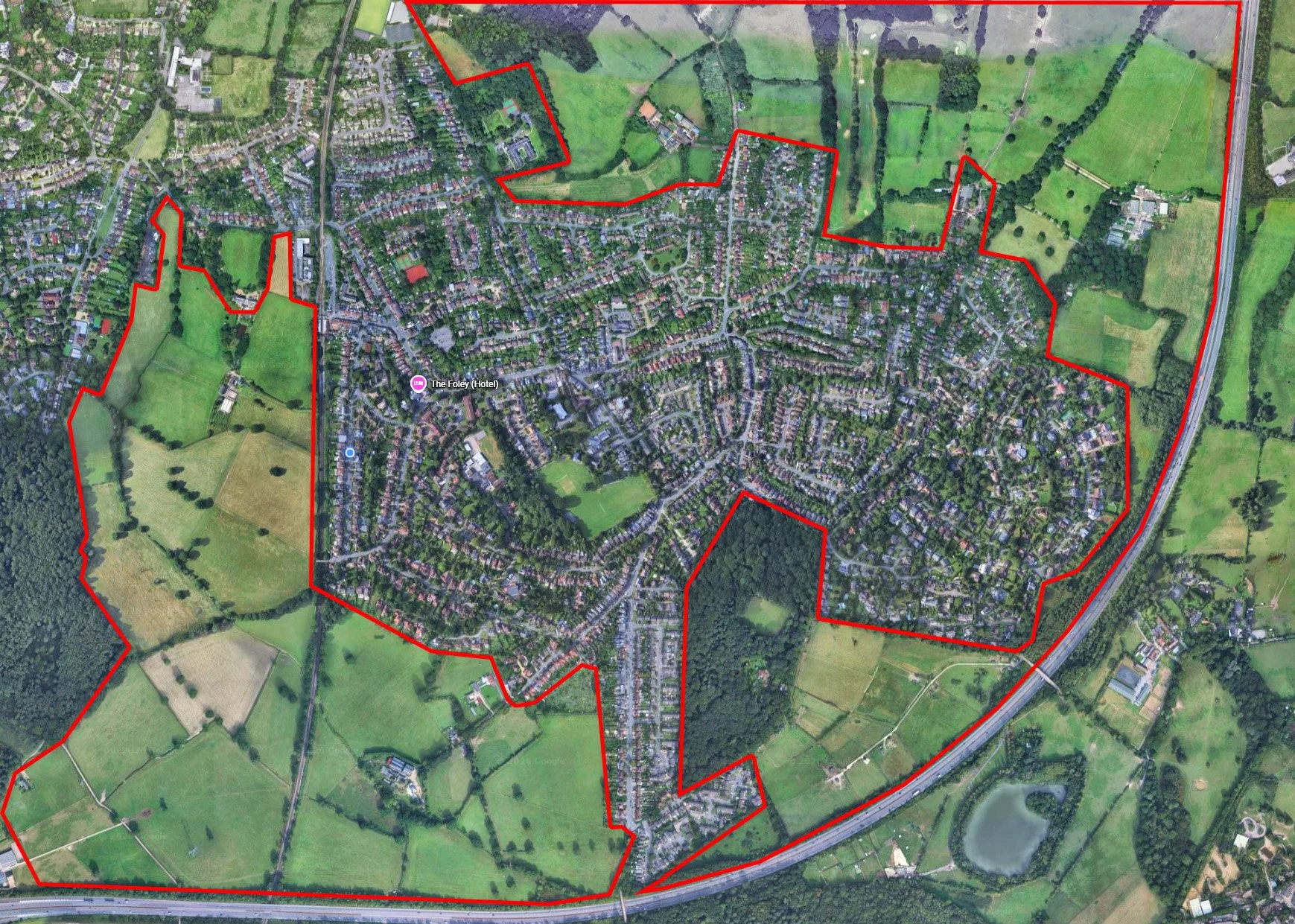
The Problem with “Reasonable Walking Distance”
Many villages in Surrey and the home counties were laid out with their train station at the village edge to minimise noise to residents, and to ensure villages remained discrete entities. These very plans now threaten to create much larger towns with the station at the centre, and in the case of villages like Claygate, merge with other towns and villages and eventually become congruent with London. At first glance, building near stations sounds sensible. But the phrase “reasonable walking distance” is vague and open to interpretation.
What is reasonable? Five minutes? Ten? Fifteen?
This lack of clarity creates a wide grey area where development can be justified, while local communities are left trying to push back against an ever-expanding definition.
A National Policy with Local Consequences
The Government argues that these changes will improve access to jobs, reduce car use, and deliver much-needed housing.
There is no doubt the UK needs more homes. But solving that problem by weakening Green Belt protections risks creating another: the permanent loss of countryside that can never be recovered.
Once built on, Green Belt land is gone for good.
Why This Matters Now
These proposals are part of ongoing changes to national planning policy. That means there is still time to raise awareness and ensure local voices are heard.
But the direction is clear. This is not a small adjustment. It is a significant shift in how the Green Belt is treated.
Protecting What Makes Claygate Special
The Green Belt was never just about stopping development. It exists to preserve:
- The identity of towns and villages
- The separation between communities
- Access to open countryside
- The character of the landscape
Claygate’s green spaces are not empty land waiting to be developed. They are a vital part of what makes this village special.
A Call to Action
We are not arguing that no homes should ever be built. But where and how they are built matters.
If planning policy shifts too far towards speed and convenience, without regard for long-term impact, we risk losing something far more valuable than we gain.
Now is the time for residents to stay informed, engage with local planning decisions, and support efforts to protect our Green Belt.
Because once it is gone, it is gone.
